Source UV Protection Waterproof Pallet Covers for Transport
Find 30 verified options for UV Protection Waterproof Pallet Covers designed for food, agriculture, and apparel logistics. Compare features like windproof, fireproof, and anti-UV properties alongside pricing and MOQs from Chinese manufacturers.
Key considerations
Products List


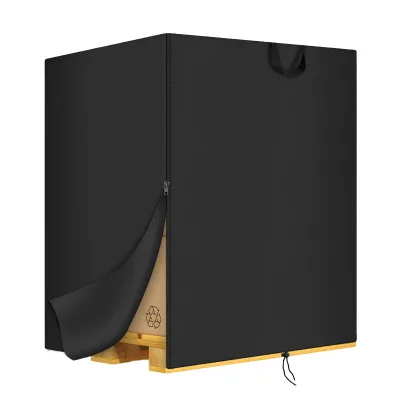


UV Resistant Cover for Versatile Trailer and Truck Pallet Protection
$0.12 - $1.00
MOQ: 5000 Square Meters

UV Resistant Cover for Heavy-Duty Truck Pallet and Boat Protection
$0.12 - $1.00
MOQ: 5000 Square Meters

UV Resistant Cover for Waterproof Truck Pallet and Trailer Needs
$0.12 - $1.00
MOQ: 5000 Square Meters

Custom UV Resistant Cover for Reliable Truck Pallet and Trailer Use
$0.12 - $1.00
MOQ: 5000 Square Meters

UV Resistant Heavy-Duty Cover for All Weather Tarpaulin Protection
$0.12 - $1.00
MOQ: 5000 Square Meters

UV Resistant Tarpaulin Cover with Durable Heavy-Duty Waterproof Design
$0.12 - $1.00
MOQ: 5000 Square Meters


Comprehensive Sourcing Guide
Strategic Sourcing Guide for UV Protection Waterproof Pallet Covers
The global logistics and supply chain sectors increasingly demand robust protective solutions to safeguard goods during transit and storage. Among these, UV Protection Waterproof Pallet Covers have emerged as a critical component for maintaining product integrity, particularly for items sensitive to environmental degradation. Sourcing these specialized covers requires a nuanced understanding of material science, certification standards, and supply chain logistics. This guide provides a comprehensive framework for buyers to evaluate potential suppliers and select products that meet rigorous operational requirements without relying on unverified claims.
Technical Specifications and Material Composition
When evaluating UV Protection Waterproof Pallet Covers, the primary focus must be on the material composition and structural integrity. The market offers a variety of options, but high-performance covers typically utilize a layered construction designed to withstand harsh conditions. A common and effective configuration involves a functional layer of VMPET (Vacuum Metallized PET) combined with a base layer of BOPET (Biaxially Oriented Polyethylene Terephthalate). This combination provides a robust barrier against moisture and ultraviolet radiation.
The physical properties of the material are equally critical. Buyers should look for products characterized by a hardness level described as "soft" yet durable, ensuring flexibility during application while maintaining structural strength. The transparency of these covers is typically opaque, which is essential for blocking UV rays and preventing light-induced degradation of the contents. The surface treatment often includes a coating process that enhances the material's resistance to water, wind, and fire. Specific features such as windproof, water-proof, anti-UV, and anti-mildew capabilities are standard requirements for covers intended for outdoor or transportation scenarios.
Thickness is a variable specification that often dictates the weight class of the product. In the current market, buyers may encounter options ranging from medium weight to heavy weight. For instance, specific product models like LY-PC015 or LY-PC016 may be associated with heavy-weight specifications, offering superior durability for long-haul transportation. The aluminum foil thickness, often cited around 7 microns in high-end variants, contributes significantly to the thermal insulation properties, ensuring that the cold chain is maintained for extended periods, sometimes exceeding six hours of cold time retention.
Compliance and Certification Verification
Navigating the regulatory landscape is a fundamental step in the procurement process. Reputable suppliers must demonstrate adherence to international quality and safety standards. The supply chain for these covers often involves verification against a broad spectrum of certifications, including ISO, SGS, EU, CIQ, LFGB, IOS9001, CE, ES, GSV, and FDA. These standards ensure that the materials used are safe for contact with food, pharmaceuticals, and other sensitive goods, which is a common industrial use case for these covers.
Buyers must verify that the supplier's quality management system aligns with these standards. For example, the presence of an ISO 9001 certification indicates a commitment to consistent quality control processes. Similarly, FDA and LFGB compliance is crucial if the pallet covers are intended for use in the food or agriculture sectors. It is important to note that while some suppliers may list these standards, the buyer must request current, valid certificates for the specific product batch or model being purchased. The "standard" attribute for these products is often listed as "Customized," meaning that the final compliance profile may need to be tailored to the specific regulatory requirements of the buyer's destination market.
Cost Drivers and Pricing Dynamics
The pricing of UV Protection Waterproof Pallet Covers is influenced by several complex factors, resulting in a wide observed range from $0.12 to $2,200 per unit or batch. This variance is not arbitrary but reflects differences in material quality, order volume, and customization levels. The primary cost driver is the material composition; covers incorporating VMPET layers, aluminum foil, and specialized coatings command a higher price point compared to standard woven fabrics.
Order volume plays a significant role in determining the final cost. The Minimum Order Quantity (MOQ) for these products can range from as low as 1 unit to as high as 5,000 units. Suppliers often offer tiered pricing structures where the unit cost decreases as the order volume increases. For example, a specific model like JR-650 or a PVC tarpaulin variant might have an MOQ of 2,000 meters, which would significantly impact the total procurement budget. Additionally, the complexity of the customization, such as specific color requirements (Red, Blue, White, Green, or Customized) or unique structural designs, can add to the manufacturing cost.
Typical Applications and Usage Scenarios
The versatility of UV Protection Waterproof Pallet Covers makes them suitable for a diverse array of industrial applications. The primary usage scenarios include transportation, agriculture, apparel, and pharmaceutical logistics. In the transportation sector, these covers are essential for protecting cargo from rain, wind, and direct sunlight during sea or land freight. The "Windproof" and "Water Proof" attributes are particularly vital in this context to prevent water damage and cargo shifting.
In the agriculture and food sectors, the "Anti-Mildew" and "Anti-UV" features are critical for preserving the quality of perishable goods. The covers serve as a barrier against microbial growth and UV degradation, ensuring that the contents remain safe for consumption. For the pharmaceutical industry, the ability to maintain a specific temperature range, often indicated by a "Cold Time" of greater than 6 hours, is a key performance metric. The covers are frequently used in conjunction with insulated pallet coves to create a stable thermal environment.
Supplier Evaluation and Sourcing Strategy
Evaluating potential suppliers requires a multi-faceted approach that goes beyond simple price comparison. Buyers should prioritize suppliers who demonstrate transparency in their manufacturing processes and provide clear documentation of their product specifications. The origin of the product is a key indicator; many high-quality covers are manufactured in regions like Zhejiang Province, China, which is known for its advanced textile and packaging industries.
When assessing a supplier, buyers should verify the consistency of their product models. For instance, a supplier offering a range of models such as LY-PC011, LY-PC012, LY-PC013, and LY-PC016 suggests a robust production line capable of meeting various customization needs. The packaging method is another critical factor; suppliers may offer options such as "Bag," "PP Bag + Bale / Carton," or "Hard Tube or PE Bag." The choice of packaging can affect the condition of the product upon arrival and should be aligned with the buyer's logistics capabilities.
Quality Control and Performance Testing
Ensuring the quality of UV Protection Waterproof Pallet Covers involves rigorous testing protocols. Buyers should request test results that validate the claimed features, such as reflectivity, which is often cited in the range of 95-97% for high-performance aluminum-coated fabrics. This high reflectivity is essential for maximizing UV protection and thermal insulation.
The surface treatment of the fabric is another area requiring close scrutiny. Processes such as UV treatment, lacquering, and anti-static coating are common methods used to enhance the durability and safety of the covers. Buyers must verify that the "Surface Quantity" and "Treatment" processes meet their specific operational needs. For example, a cover intended for outdoor tent fabric usage may require different treatment standards compared to one used for car covers. The "Feature" list, which often includes "Tear-Jerking" resistance, "Anti-Wrinkle" properties, and "Fireproof" capabilities, should be backed by empirical data or third-party testing reports.
Long-Term Procurement Considerations
Sourcing UV Protection Waterproof Pallet Covers is not merely a one-time transaction but a long-term strategic decision. Buyers should consider the lifecycle of the product and its impact on their overall supply chain efficiency. The "Sturcture" of the cover, often listed as "Customized," allows for adaptation to specific pallet sizes and cargo shapes, which can reduce waste and improve storage efficiency over time.
Furthermore, the availability of after-sales support and the ability to scale orders are crucial. Suppliers who offer flexible MOQs and customizable packaging solutions can better adapt to the fluctuating demands of the market. The "Basic Level" of the product, such as BOPET, serves as a foundation for various upgrades, allowing buyers to start with a standard product and gradually move to more specialized versions as their needs evolve. By maintaining a relationship with a supplier who understands the nuances of these materials, buyers can ensure a steady supply of high-quality covers that meet their evolving operational requirements.
Conclusion
The procurement of UV Protection Waterproof Pallet Covers demands a careful balance of technical knowledge, regulatory compliance, and strategic supplier selection. By focusing on the specific material attributes, such as VMPET layers and aluminum foil thickness, and verifying adherence to international standards like ISO and FDA, buyers can secure products that offer superior protection for their goods. The wide range of applications, from transportation to pharmaceuticals, underscores the importance of selecting covers that are tailored to specific usage scenarios. Ultimately, a disciplined approach to sourcing, grounded in verified facts and rigorous quality control, will yield the best results for any organization relying on these essential logistics solutions.
FAQs
What materials are used for UV Protection Waterproof Pallet Covers?
These covers typically use a layered structure with VMPET and BOPET functional layers. The material is often a foil woven fabric with an aluminum foil thickness of 7 microns to ensure opacity and reflectivity.
Can these covers maintain cold chain temperatures for extended periods?
Yes, specific insulated thermal pallet coves can maintain cold time for over six hours. This performance relies on the reflective properties and the customized structure of the aluminum foil layers.
Which certifications should I verify for food and pharmaceutical use?
Reputable suppliers provide standards including ISO, SGS, FDA, and LFGB. These certifications ensure the materials are safe for industrial uses like food, agriculture, and pharmaceutical packaging.
How does the MOQ vary for different product models?
Minimum order quantities range from 1 unit up to 5000 units depending on the model. Some specific variants like JR-650 may require an MOQ of 2000 meters for purchase.
What features ensure durability during transportation and outdoor storage?
The covers feature windproof, water-proof, and anti-UV properties to withstand harsh conditions. Additional traits include fireproof, anti-mildew, and tear-resistant capabilities for long-term protection.
Where are these pallet covers typically manufactured?
Many high-quality covers originate from Zhejiang Province in China. This region is known for advanced textile and packaging industries capable of producing customized structural designs.